

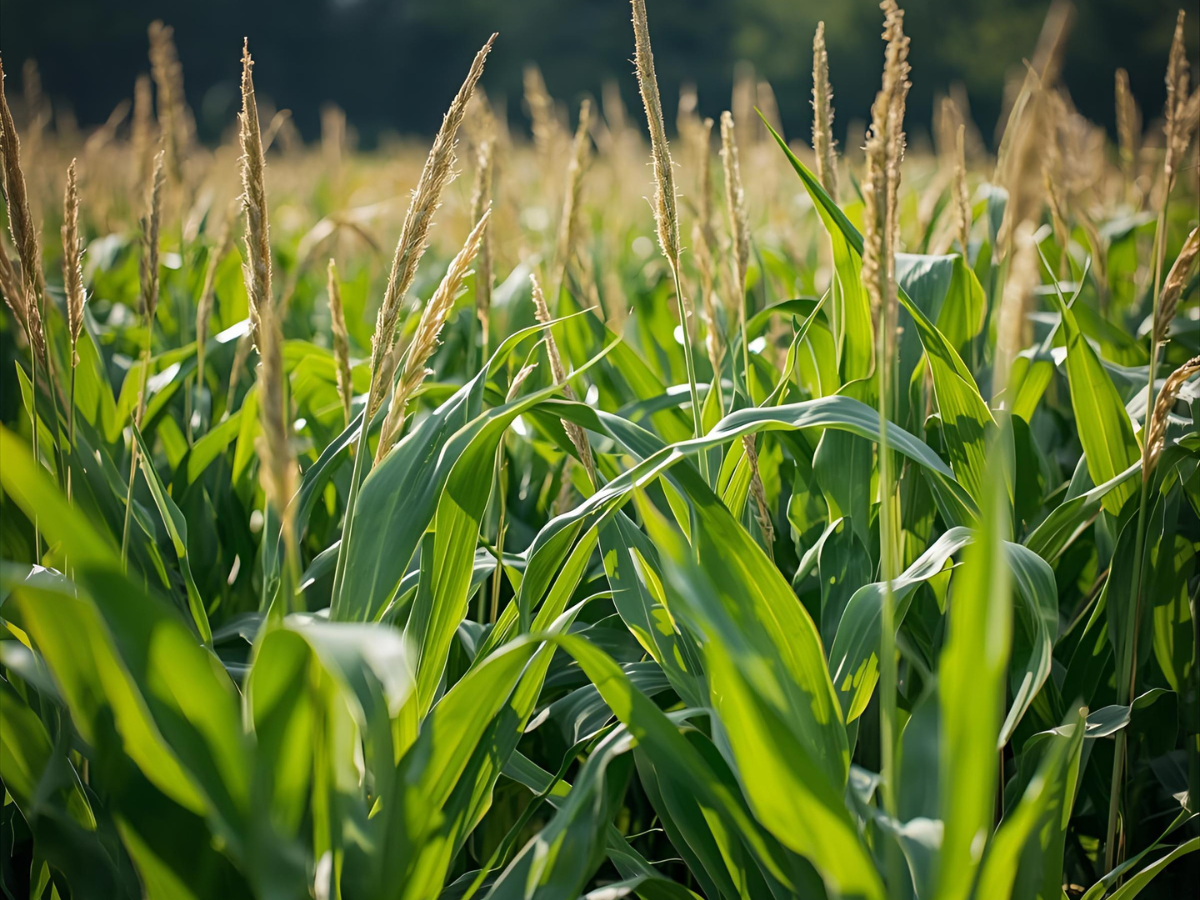
Much of Punjab & Sindh are calcareous (high pH, low organic matter) classic for zinc deficiency.
Wheat/maize/cotton: stunted plants, shortened internodes, interveinal chlorosis on young leaves, small leaves (“rosetting”).
Rice: Khaira (bronzing), leaf brown spots, poor tillering.
Soil test: DTPA-Zn < 0.5 ppm = deficient; 0.5–1.0 ppm = marginal; aim for ≥ 1.0 ppm.
Common zinc products & where they fit
| Product type | Typical Zn% | Use case | Notes |
|---|---|---|---|
| Zinc sulphate heptahydrate (ZnSO₄·7H₂O) | ~21% Zn | Soil application where cost is key | Higher dose per acre than 33% grade |
| Zinc sulphate monohydrate (ZnSO₄·H₂O) | ~33% Zn | Soil application with lower logistics | Lower dose per acre |
| Granular 27%–30% Zn mixes | 27–30% | Easy blending with DAP/urea | Follow label dose (varies by brand) |
| EDTA-chelated Zn | 12–15% | Foliar or fertigation (veg, orchards) | Fast uptake, higher Rs/kg |
| Zn oxide (50–80% Zn) | 50–80% | Coating/slow release | Slower than sulphate in high-pH soils |
| Liquid Zn (various) | 6–12% | Foliar, drip | Convenience; check analysis carefully |
Rule of thumb: Sulphate forms are most reliable for calcareous soils; chelates shine for foliar and high-value crops.
2025 Retail Price Landscape (Pakistan)
(Indicative street/online prices seen this season; brands vary by city & stock)
- 1 kg packs (21–33% Zn): ~Rs 400–800/kg
- 3 kg packs (27–33%): ~Rs 2,100–2,900 per pack
- 5 kg granular (≈21–27%): ~Rs 2,300–3,000 per pack
- Bulk/25 kg agri-sacks: widely variable; often best Rs/kg
- Chelated foliar (1 L / 1 kg): Rs 1,200–2,800 depending on brand/chelate
Tip: For soil use, bulk sacks usually give the lowest Rs per kg of Zn. For foliar, prioritize formulation quality over price.
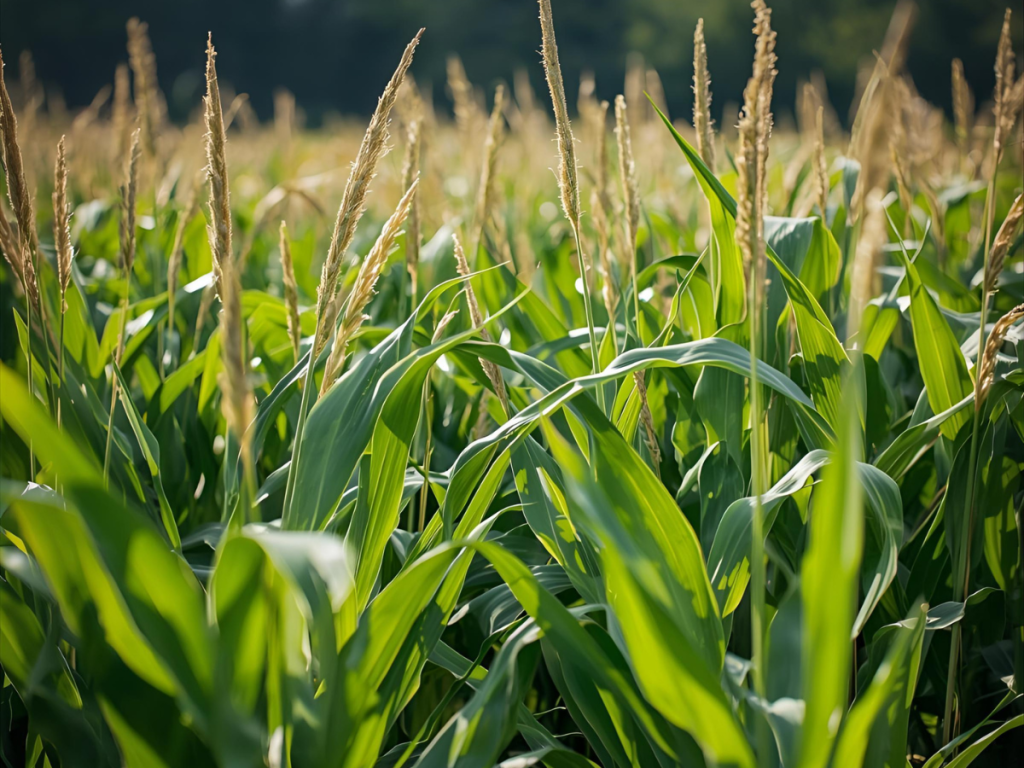
How Much to Apply (crop-wise, soil application)
(Per acre, apply once at sowing/transplanting unless noted; choose one line based on product grade)
Wheat
- 33% Zn (monohydrate): 4–5 kg/acre
- 21% Zn (heptahydrate): 8–10 kg/acre
Rice (transplanted/paddy)
- 33% Zn: 5–6 kg/acre (basal into puddled soil)
- 21% Zn: 10–12 kg/acre
- Plus foliar (if deficiency appears): 0.5% spray (see §6)
Maize
- 33% Zn: 3–5 kg/acre
- 21% Zn: 7–10 kg/acre
Cotton
- 33% Zn: 3–5 kg/acre
- 21% Zn: 7–10 kg/acre
- Optional: 1–2 foliar sprays at 0.5% during peak growth
Sugarcane
- 33% Zn: 6–8 kg/acre
- 21% Zn: 12–16 kg/acre (setts + early growth)
Vegetables / Orchards
- Soil: 2–4 kg/acre (33%) or 4–8 kg/acre (21%) at bed prep
- Foliar: 0.3–0.5% multiple sprays (see §6)
Always follow label & adjust to soil test: if DTPA-Zn is very low (<0.3 ppm), use the upper end of the range.
Cost-Per-Acre Math (quick calculator)
FormulaCost/acre = (Dose per acre in kg) × (Rs per kg of product)
Example (wheat, 33% Zn):
- Dose = 5 kg/acre
- Market = Rs 650/kg (example for bulk monohydrate)
- Cost ≈ Rs 3,250/acre
Example (wheat, 21% Zn):
- Dose = 10 kg/acre
- Market = Rs 450/kg
- Cost ≈ Rs 4,500/acre
ROI thumb-rule: A zinc-deficient acre of wheat/maize often gains +120–250 kg grain with proper Zn. Multiply by your local support/market rate to compare against the zinc cost.
Foliar Spray Programs (when/how)
- Standard mix: 0.5% ZnSO₄ solution = 5 g ZnSO₄ per litre of water, plus 1–2 g/L urea as carrier and a sticker/spreader.
- Timing:
- Wheat/maize: at tillering/vegetative, repeat in 2–3 weeks if symptoms persist.
- Rice: 15–20 days after transplanting, repeat once if Khaira shows.
- Cotton: pre-flower & early boll set.
- Veg/fruit: light, repeated sprays through active growth.
- Do not exceed 0.5% on broadacre; spray early morning/late afternoon to avoid burn.
Placement & Compatibility (reduce losses)
- Band vs broadcast: In high-pH soils, banding zinc near the seed/row is more efficient than broadcasting.
- With DAP/urea: You can physically blend granular Zn with DAP at sowing. Avoid direct seed contact; keep a small separation in the furrow.
- Avoid mixing zinc sulphate with alkaline products (lime/ash) or phosphate suspensions in tank—precipitation risk. Jar test first.
- Irrigation: Light irrigation after soil application improves availability (especially in dry seedbeds).
Special Situations
- Saline/sodic fields: Zinc deficiency is aggravated prefer banded 33% and consider organic matter/gypsum program.
- Manure/OM: Adding FYM/compost (2–4 tons/acre) improves Zn availability over time.
- Seed priming (rice/maize): Some farmers use 0.1% ZnSO₄ solutions for 6–8 hrs; rinse & dry before sowing (follow label).
- Micronutrient blends: Where multiple deficiencies exist (Zn + B + Fe), blended micronutrient packs can be economical—check actual Zn% on label to re-do the cost/acre math.
Buying Smart (Pakistan tips)
- Check the analysis (Zn% and form) on the bag; don’t buy only on brand name.
- Compute Rs per kg of Zn (not just per bag):
- Prefer fresh, non-caked material; for liquids, avoid sediment.
- If you’re treating many acres, ask local dealers for bulk/wholesale and seasonal offers.
Safety & Stewardship
- Wear gloves/mask when handling powders.
- Keep away from children & feed; zinc salts are irritating.
- Rinse sprayers after use; avoid run-off into fishponds/canals.
- Store dry, sealed. Heptahydrate cakes easily—break lumps before blending.
Quick Planning Cheat-Sheet (per acre)
- Wheat: 5 kg (33%) banded with DAP at sowing → optional 0.5% foliar if symptoms.
- Rice: 5–6 kg (33%) into puddle/transplanting → 0.5% foliar at 15–20 DAT if Khaira.
- Maize: 4–5 kg (33%) banded at planting → 0.5% foliar at 6–8 leaf.
- Cotton: 4–5 kg (33%) at planting → 1–2 foliar at veg/early boll.
- Sugarcane: 6–8 kg (33%) with sett placement.
If you tell me your district, crop, and acres, I’ll run the exact cost/acre using current local market rates and set up a season-long Zn plan (soil + foliar) tailored to your field.